

4-H Extension Workers Train in AI Skills in Kaohsiung
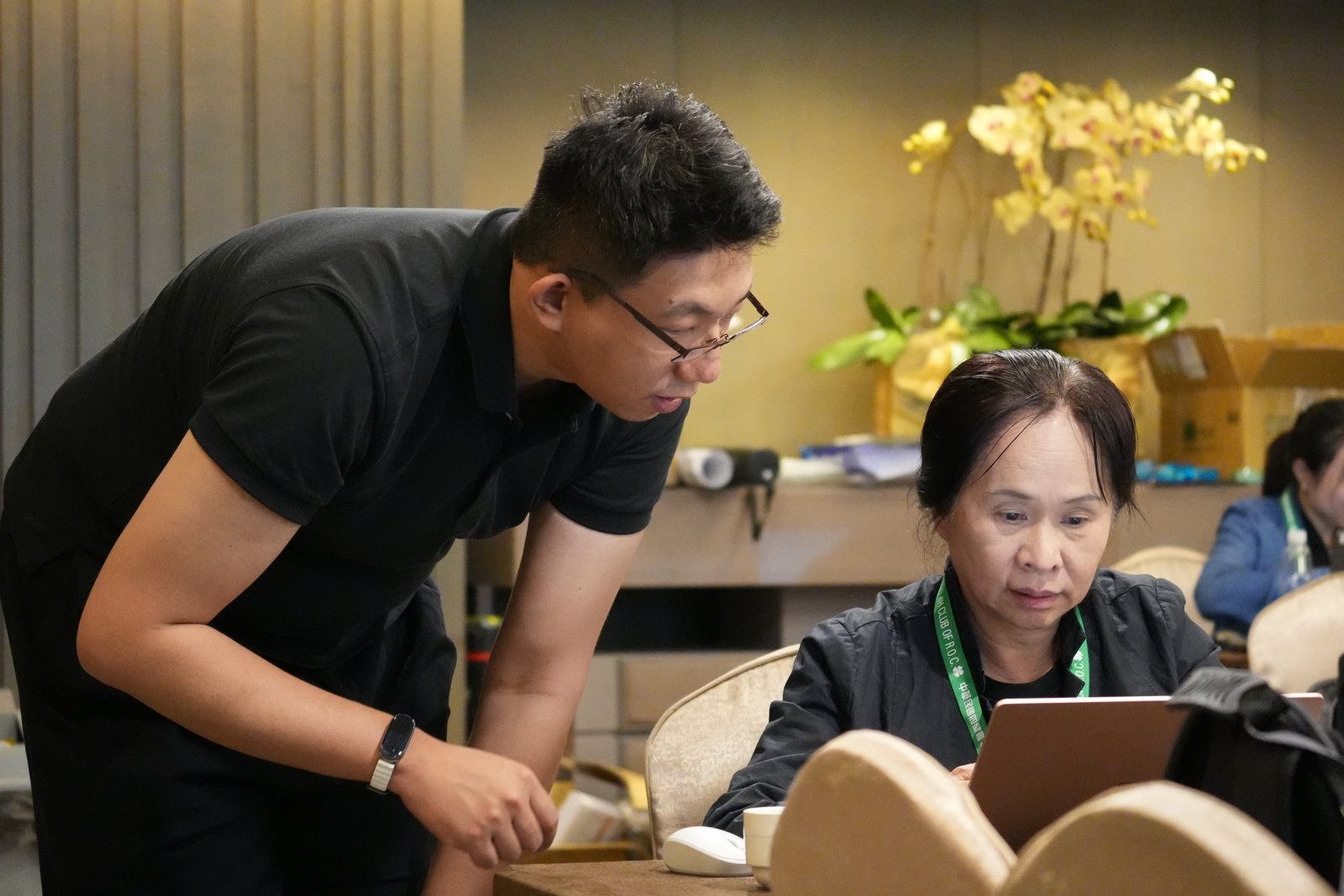
4-H Taiwan held the 2026 4-H Extension Worker Advanced Training at a hotel in Kaohsiung on September 8–10. It was open to 4-H extension workers from farmers' and fishermen's associations at all levels, agricultural research and extension stations, and university agricultural extension committees. This year's theme was hands-on AI: participants used Codex to turn their own materials into proposals, presentations and event websites. About 36 people took part.
Opening and Icebreakers
On the morning of Day 1, participants registered in a hall on the second floor of the hotel. At the opening ceremony the association's Secretary-General encouraged the participants, and 4-H members from the Luzhu District Farmers' Association in Kaohsiung led an icebreaker activity.
Two Days of Hands-On AI: Getting the Work Done
From the afternoon of Day 1, the course was taught by one instructor with two teaching assistants. Rather than only practicing how to ask AI questions, the course treated AI as a work intern that handles files and completes tasks. Participants brought their own laptops and attended seven sessions over two days.
Five Activity Topics for the Presentations
The first five groups each took an event topic that extension workers regularly organize; the sixth group's topic was applying what was learned in class.
- Training for supervisors and instructors (3 days, 2 nights)
- Study-tour activities (3 days, 2 nights)
- Global 4-H Network Summit (5 days, 4 nights)
- Youth camps (3 days, 2 nights)
- Food and farming education and rural experience activities (2 days, 1 night)
AI Speeds Up the Work; People Make the Final Call
One point came up again and again in the course: AI makes things faster, while people check the content and make the final decisions. This fits the 4-H principle of learning by doing. Tools can save time on tedious, repetitive work, but thinking, judgment and creativity still come from each extension worker.
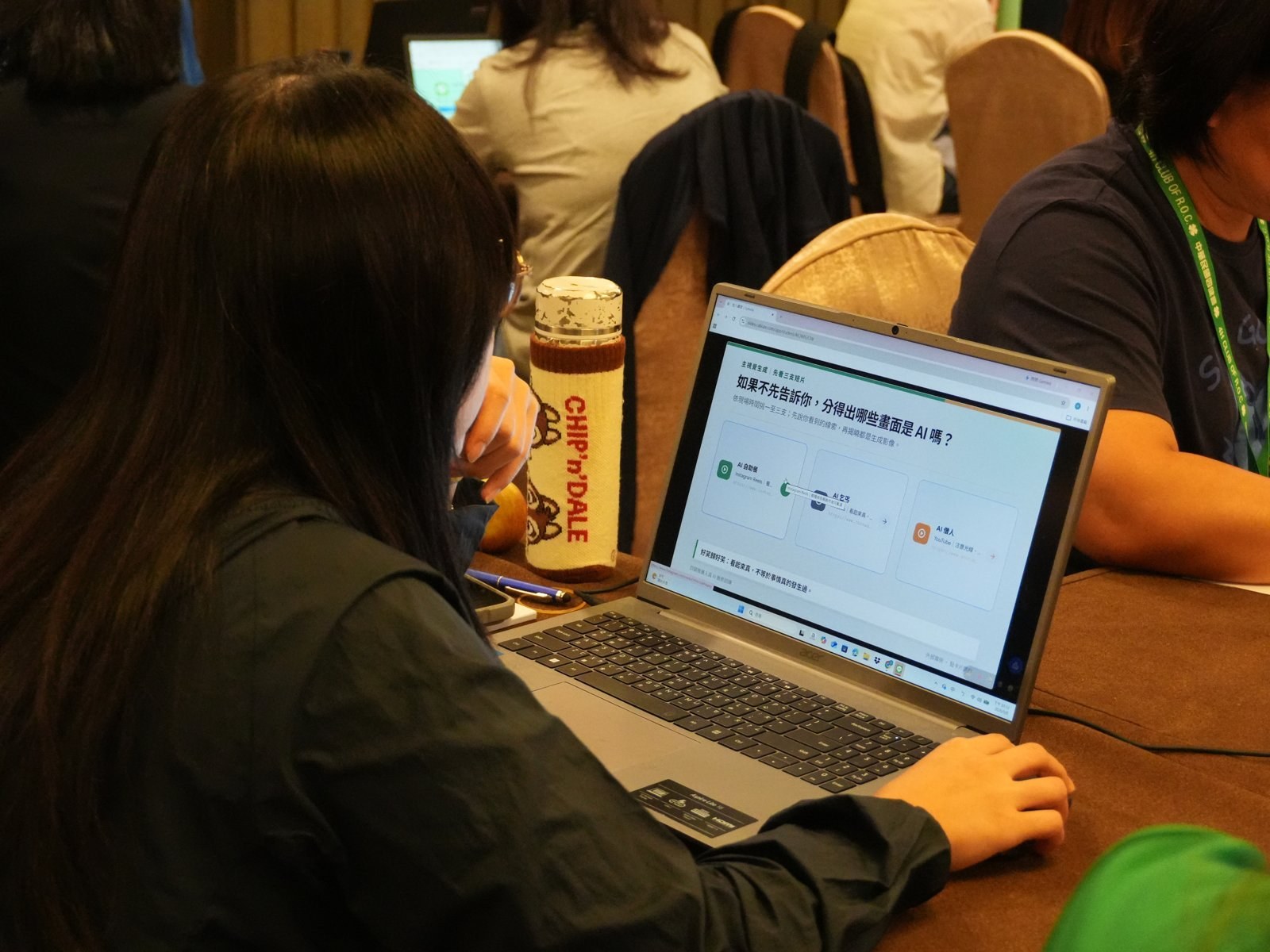
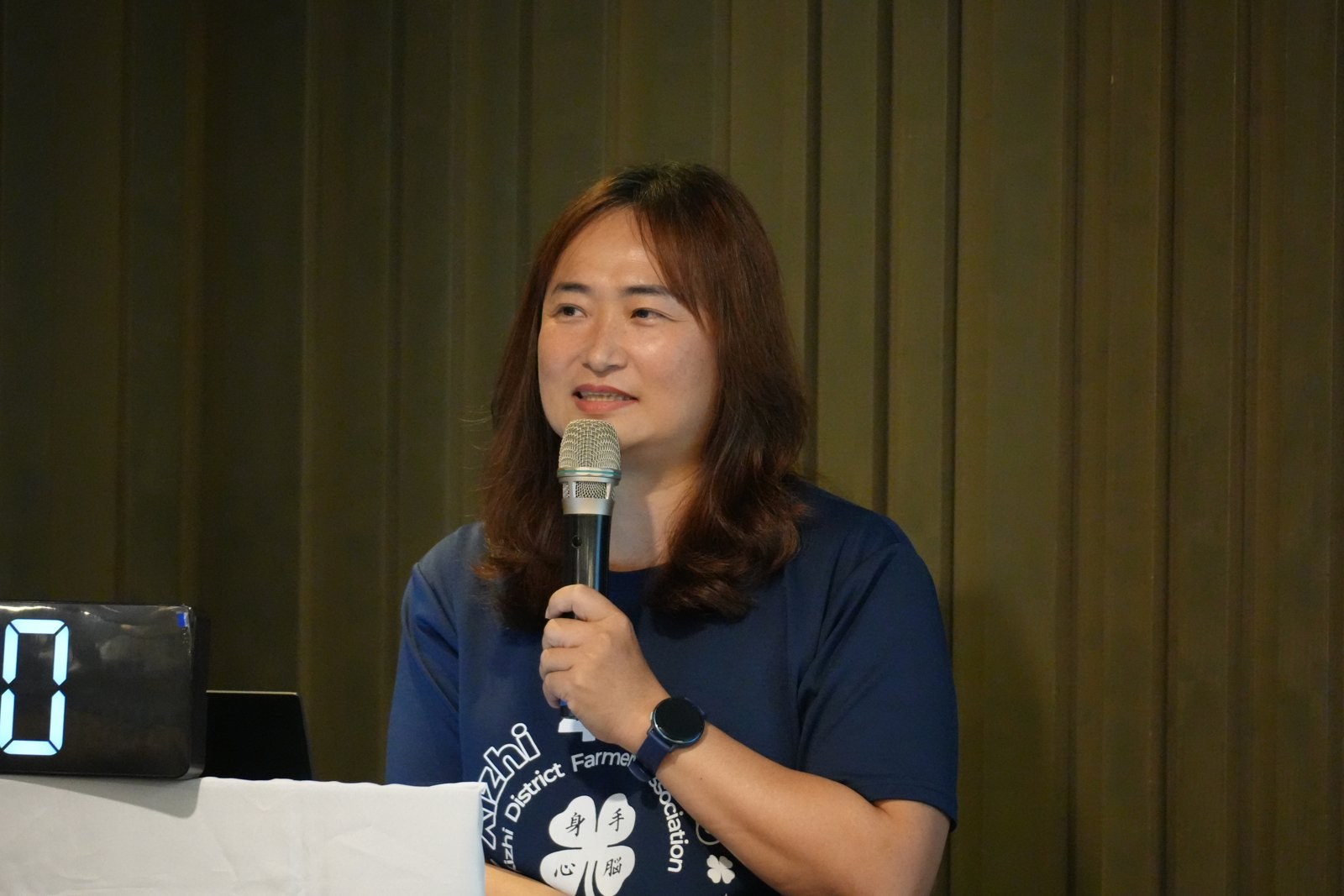
Thanks to the instructor for leading the course, and to the two teaching assistants for their help throughout.